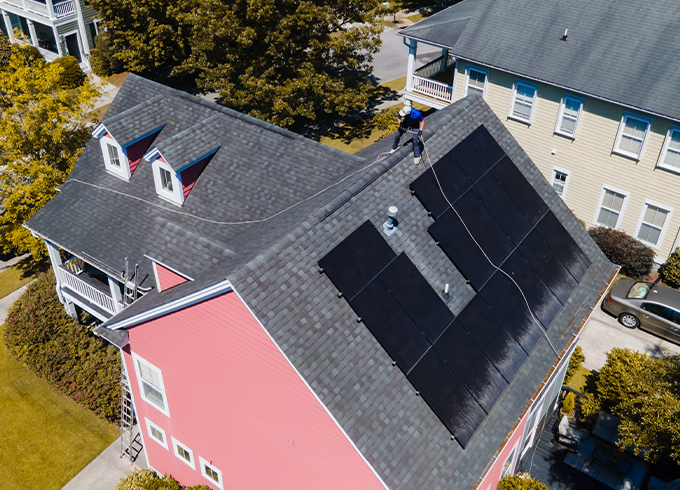
Charleston's climate is part of what makes the Lowcountry so livable, but it also puts plenty of wear on windows and exterior surfaces. Humidity, salt air, pollen, heavy rain, and coastal storms all leave their mark over time.
Knowing what those conditions do to your property can help you plan maintenance before buildup, moisture, or storm debris becomes a larger problem.
Charleston’s climate is part of what makes the Lowcountry so livable, but it also puts plenty of wear on windows and exterior surfaces. Humidity, salt air, pollen, heavy rain, and coastal storms all leave their mark over time.
Knowing what those conditions do to your property can help you plan maintenance before buildup, moisture, or storm debris becomes a larger problem.
You don’t have to live directly on the water for salt air to become part of your property’s maintenance needs. Charleston’s harbor, rivers, marshes, and coastline all contribute to the area’s coastal exposure.
Salt residue can build up on glass, window frames, hardware, and other exterior surfaces. When combined with moisture, it can become more difficult to remove and contribute to deterioration over time.
Properties closer to the water may need more frequent cleaning, while inland properties often have other concerns, such as tree cover and heavier pollen or organic debris.
Charleston’s long growing season means pollen can be a significant part of seasonal property maintenance. Pine pollen in particular can settle on coastal windows, screens, gutters, roofs, and other exterior surfaces.
The longer it sits, the more difficult that buildup can become to remove.
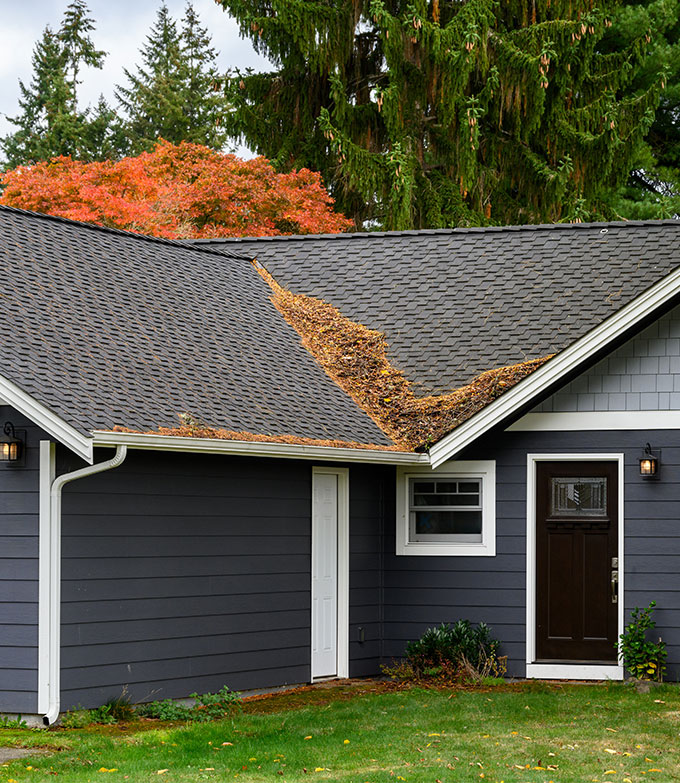
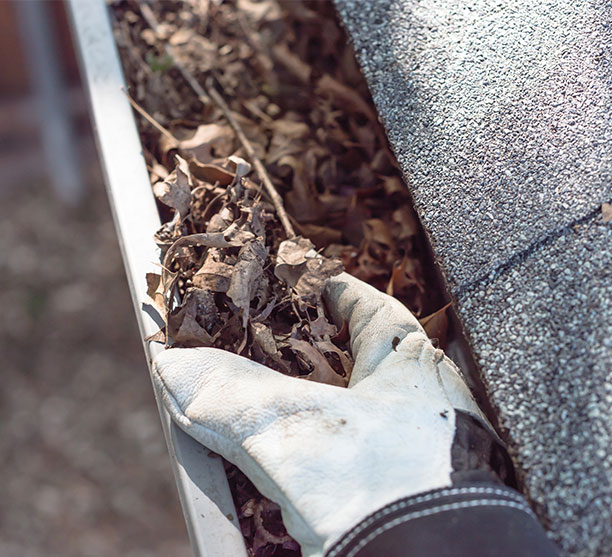
Pollen and organic debris can also collect in gutters and roof valleys, where they may hold moisture and interfere with proper drainage.
Coastal storms and strong thunderstorms bring another set of challenges for Charleston properties. Wind-driven rain, branches, grit, and other debris can affect windows, roofs, gutters, awnings, and other exterior surfaces.
After a major storm, look for:
A post-storm inspection can help identify problems before they have more time to develop.
Warm temperatures, high humidity, and frequent rain create plenty of moisture around Charleston properties. That moisture can affect windows, exterior surfaces, and drainage systems in several ways.
Charleston’s weather conditions tend to overlap. Humidity keeps surfaces damp. Salt air adds another layer of exposure. Pollen and organic debris create buildup. Heavy rain tests drainage systems, while storms can add even more debris.
That’s why exterior maintenance shouldn’t be based on a generic schedule.
Ambassador Window Cleaning & Maintenance looks at the property itself, including its materials, exposure, surrounding trees, access, drainage, and existing condition. With more than 25 years serving residential and commercial properties throughout the Charleston area, our team plans, coordinates, and supervises the work from start to finish.
The cleaning method matters, too. Some surfaces call for hand cleaning or soft washing rather than pressure washing, and the right approach depends on the material and its condition.
Ambassador Window Cleaning and Maintenance provides services including:
For homeowners, our team provides:
The goal is simple: use the right service and cleaning method for the property rather than treating every surface the same way.
It depends on the property. Coastal exposure, salt air, pollen, surrounding trees, and other conditions can all affect how quickly buildup returns. A property assessment can help determine an appropriate cleaning schedule.
Mineral deposits, salt residue, and environmental buildup can accumulate between cleanings. If deposits remain on the glass, they can become increasingly difficult to remove.
No. Some materials and finishes require soft washing or hand cleaning instead. The appropriate method depends on the surface and its condition.
Pollen can build up on glass, screens, tracks, roofs, and gutters. When combined with moisture, it can form a film that becomes more difficult to remove over time.
Salt exposure isn’t limited to waterfront properties. Properties throughout the Charleston area can experience some level of coastal exposure, although the amount varies by location.
Ongoing exposure to moisture and changing temperatures can contribute to wear around window seals and caulking. Regular cleaning and inspections can help identify areas that may need attention before moisture becomes a larger maintenance concern.
There isn’t one ideal time for every property. Charleston’s pollen, humidity, storms, tree cover, and coastal exposure can all affect how quickly windows become dirty. A maintenance schedule based on your property’s specific conditions is usually more useful than a one-size-fits-all schedule.
It can be worthwhile, particularly after a storm that brings strong winds, heavy rain, or debris. Grit, branches, and other debris can collect on glass and surrounding surfaces. Removing those materials can help prevent additional buildup, making it easier to spot damage around windows and other exterior areas.

Yes, regular window cleaning can remove many surface deposits from glass and window components.
Check gutters and downspouts for debris, roofs and valleys for buildup, and window seals and caulking for signs of damage. Awnings, solar panels, and other exterior surfaces should also be checked for debris.
Charleston, South Carolina's climate isn't going anywhere, but a planned window and exterior maintenance schedule can help your property handle it better.
If your windows and exterior surfaces are dealing with humidity, salt air, pollen, or storm exposure, Ambassador Window Cleaning & Maintenance can evaluate the property and recommend the services that make sense for its condition